Congratulations, Dr. Howe! 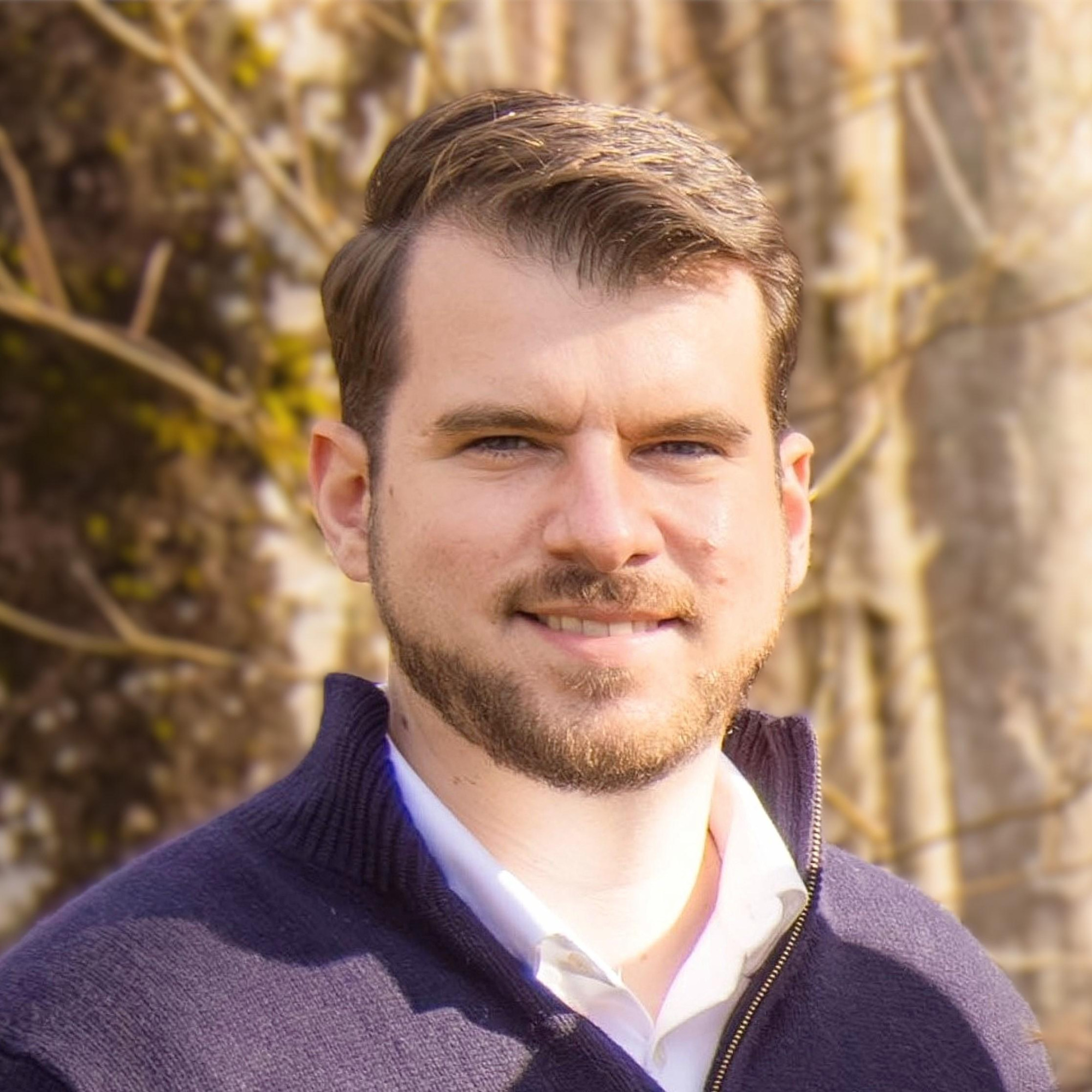
Dr. Matthew Howe, Assistant Professor of Psychiatry and Human Behavior at Brown University, and staff psychiatrist at the Providence VA Medical Center, was part of cohort 6 of the Advance-K Scholar Career Development Program. This year-long program, sponsored by the Brown Division of Biology and Medicine and Advance RI-CTR, gives one-on-one and group training to highly qualified junior investigators with the goal of submitting a successful NIH K or equivalent proposal by the conclusion of the program.
The Journey
Dr. Howe’s path to research began early, at age 19, working with animal models in basic science labs. However, a desire to bridge the gap between bench science and patient care led him to an MD-PhD and a shift toward translational research. During his residency at Brown University, Dr. Howe found his calling with the Butler Hospital Memory and Aging Program during a breakthrough era for Alzheimer's blood biomarkers (specifically p-tau217) and disease-modifying treatments. As he began working closely with the clinical team to develop, integrate and study the impact of these technologies on patient care, he gradually found himself “doing implementation science without realizing it.”
The Funded Study
Funded by a VISN 1 Career Development Award (CDA) entitled “Towards an Accessible Diagnostic Algorithm for Alzheimer's Disease: A Mixed Methods Study of Aging Veterans,” Dr. Howe’s study plans to utilize the VA’s massive data infrastructure to improve Alzheimer’s detection. His work is twofold:
- Big Data Analysis: Examining health records of over 450,000 veterans to identify current practices around Alzheimer’s detection at the VA along with patterns and issues in blood biotesting and cognitive testing.
- Qualitative Inquiry: Conducting interviews with veterans and primary care providers to understand real-world barriers to screening for Alzheimer’s disease.
His long-term goal is to move from analysis to intervention, implementing blood-based biomarker testing in community clinics to improve the quality of life for veterans living with dementia.
Keys to Success
Dr. Howe’s work is supported by a distinguished multidisciplinary mentorship team: James Rudolph (Primary Mentor, VA); Jason Lind (Medical Anthropologist & Qualitative Mentor, VA); Whitney Mills (Implementation Scientist & Psychologist, UMASS Boston), and Ted Huey (Content Expert, Butler Hospital).
He credits the Advance-K program with helping him pivot from an initial rejection to funding success, specifically highlighting the value of the Mock Study Section, which allowed him to be a "fly on the wall" to understand how reviewers dissect a proposal.